Table of contents
Dance has always been intrinsically woven into the fabric of global music culture, influencing not just rhythms and beats, but also shaping identities, traditions, and social movements. As music evolves across continents and generations, dance acts as both a reflection and a catalyst for cultural exchange and innovation. Discover how the dynamic relationship between dance and music transcends borders, leaving a lasting imprint on communities worldwide in the following sections.
Origins in communal traditions
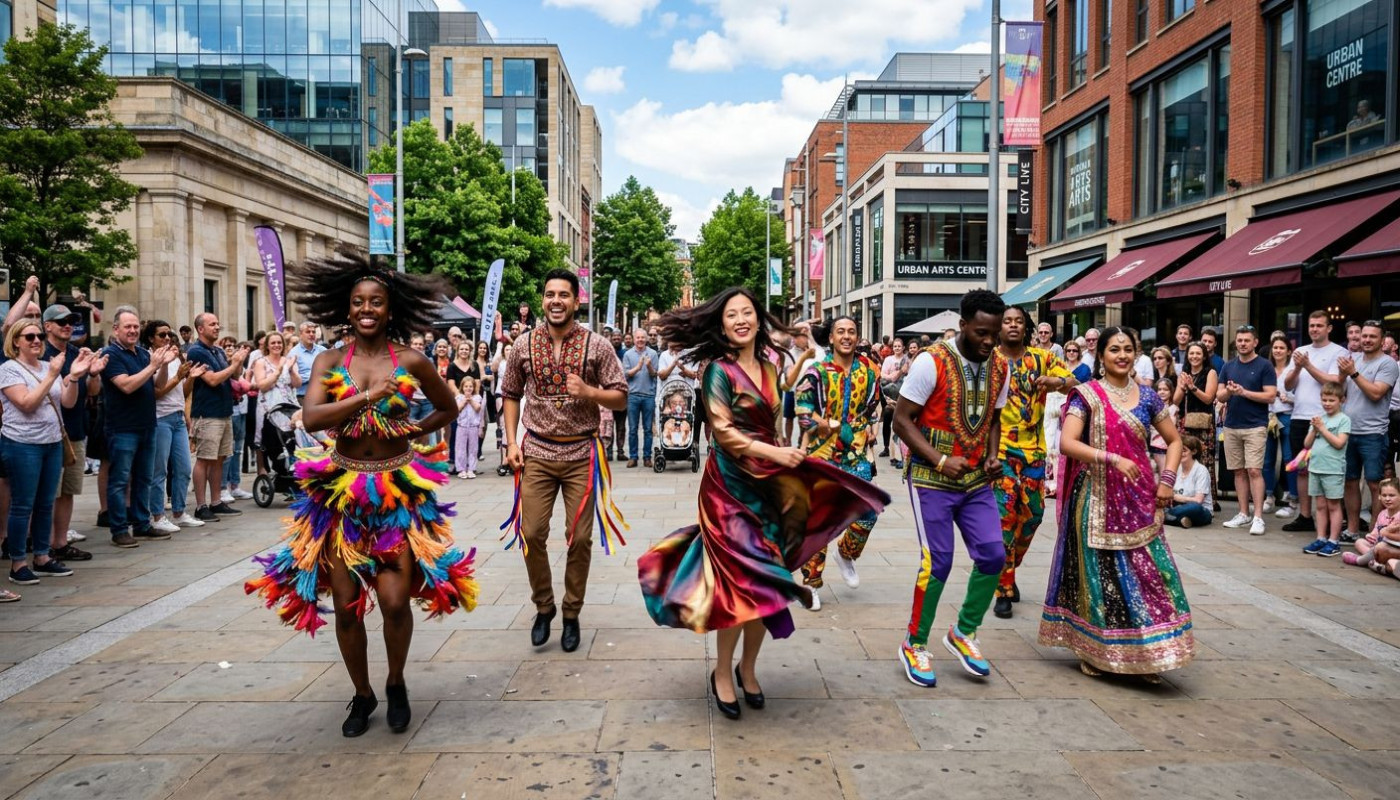
Throughout human history, traditional dance has been deeply intertwined with the roots of music culture, serving as a vibrant manifestation of cultural heritage during communal gatherings and sacred ceremonies. Early societies used ritual movement not only as an artistic outlet but also as a powerful medium for storytelling, with folk rhythms guiding steps that conveyed ancestral narratives, moral lessons, and social values. These gatherings, often centered around shared music origins, fostered strong group identity, allowing members to connect through synchronized movement and collective participation. Cultural anthropologists emphasize that such practices are central to community cohesion, as ethnomusicology reveals the mutual evolution of dance and music as vehicles for preserving tradition and ensuring the continuity of collective memory across generations. This anthropological perspective underlines how ritualized dance activities reinforce social bonds, transmit knowledge, and celebrate the diversity of human experience within global music culture.
Dance shaping musical innovation
Throughout history, dance has played a dynamic role in music evolution, with global dance trends often serving as a catalyst for the birth and transformation of genres. Choreography impact can be seen in the way rhythmic innovation emerges—syncopation, for instance, was heavily influenced by African dance styles and later became a defining feature in jazz and pop music. Fusion genres also owe much to the interplay between movement and sound, as cross-cultural dance exchanges inspire musicians to experiment with tempo, instrumentation, and style. Ethnomusicologists frequently analyze how cultural hybridization, driven by international dance movements, ignites new waves of musical creativity, as demonstrated by the global reach of K-pop and its integration of diverse choreographic elements.
Modern examples, such as K-pop dance covers gaining virality, showcase how choreography directly influences music production and distribution. The connection between visual performance and audio innovation is exemplified in the popularity of dance-driven music videos, which shape listener preferences and industry trends. For those intrigued by the synergy between provocative choreography and music, a detailed description can be explored at description. This reflects how the boundaries of global dance trends and musical creativity continue to be pushed, further reinforcing the intricate connection between movement and sound worldwide.
Social movements and dance
Throughout history, dance has served as a dynamic force within social and political movements, often becoming a powerful tool for expression and collective action. Dance activism harnesses expressive movement to communicate dissent, solidarity, and shared vision in the face of injustice. Whether appearing in protest music videos, rallies, or flash mobs, dance provides a universal language that resonates across demographic lines, mobilizing communities toward common goals. Cultural resistance often manifests through choreographed gestures and symbolic performances, challenging dominant narratives while instilling hope and unity among participants. Social historians highlight the phenomenon of performative resistance, where dance not only reflects societal unrest but actively shapes discourse by raising awareness for causes, amplifying marginalized voices, and forging a sense of belonging that transcends words. Through these practices, dance’s social impact continues to expand, intertwining creativity with activism in global contexts.
Digital era and dance globalization
The emergence of digital dance trends has revolutionized how dance integrates into global music culture, primarily through the widespread use of digital platforms and social media. Platforms such as TikTok, YouTube, and Instagram enable viral music dance phenomena to transcend geographical boundaries, exposing millions to new styles in real time. Online choreography tutorials and collaborative virtual performances have democratized access, allowing dancers and enthusiasts from diverse backgrounds to participate and innovate. Algorithmic dissemination plays a pivotal role in this ecosystem, as platform algorithms prioritize and promote popular dance clips, amplifying their reach and accelerating cultural fusion. This process not only fosters global connectivity but also encourages creative reinterpretation and adaptation, continually evolving the identity of dance within the broader context of music culture.
Digital media analysts observe that virtual performances and online communities are pivotal in shaping contemporary dance movements. The technical infrastructure supporting these platforms facilitates instant communication and collaboration, breaking down traditional barriers to entry. As a result, choreographers and performers can experiment with hybrid forms, merging influences from various regions and genres. This ongoing exchange, powered by digital tools, ensures that dance remains dynamic and responsive to shifting musical landscapes, while also preserving a sense of inclusivity and accessibility that was previously unattainable. The interplay between technology and dance not only enriches the art form but also redefines its significance in a rapidly globalizing world.
Preserving and evolving dance traditions
Within global music culture, dance preservation has become a dynamic field shaped by both a reverence for heritage and a drive for innovation. The commitment to cultural continuity is evident in diverse educational outreach programs that introduce traditional dance forms in schools, universities, and community centers, ensuring new generations acquire the skills and context needed to keep these practices alive. Cross-cultural collaborations further enrich adaptive traditions by blending regional styles, rhythms, and techniques, resulting in hybrid forms that honor ancestral roots while engaging contemporary audiences. This interplay not only sustains visibility but also allows for vibrant reinterpretation, a process at the heart of cultural sustainability.
Dance ethnographers are tasked with assessing the nuanced balance between maintaining authenticity and fostering creative growth within global collaboration. They examine how adaptive traditions emerge when artists innovate without losing sight of the original cultural context, ensuring that transformation does not equate to erasure. Educational outreach and international partnerships serve as key mechanisms for both transmitting traditional knowledge and encouraging experimentation, helping dance traditions remain both relevant and respected in an ever-evolving global music landscape. The result is a living tapestry where cultural sustainability supports both the preservation and evolution of dance as a vital contributor to shared global heritage.
On the same subject


